
Do Not Treat the Date Shown in the Store as Confirmed
A catalog photo may correspond to a different batch or be a generic image. Therefore, the date shown on the product page cannot ensure the date on the item that will be shipped. If the remaining time is decisive for your purchase, request information about the specific product expected to be sent.
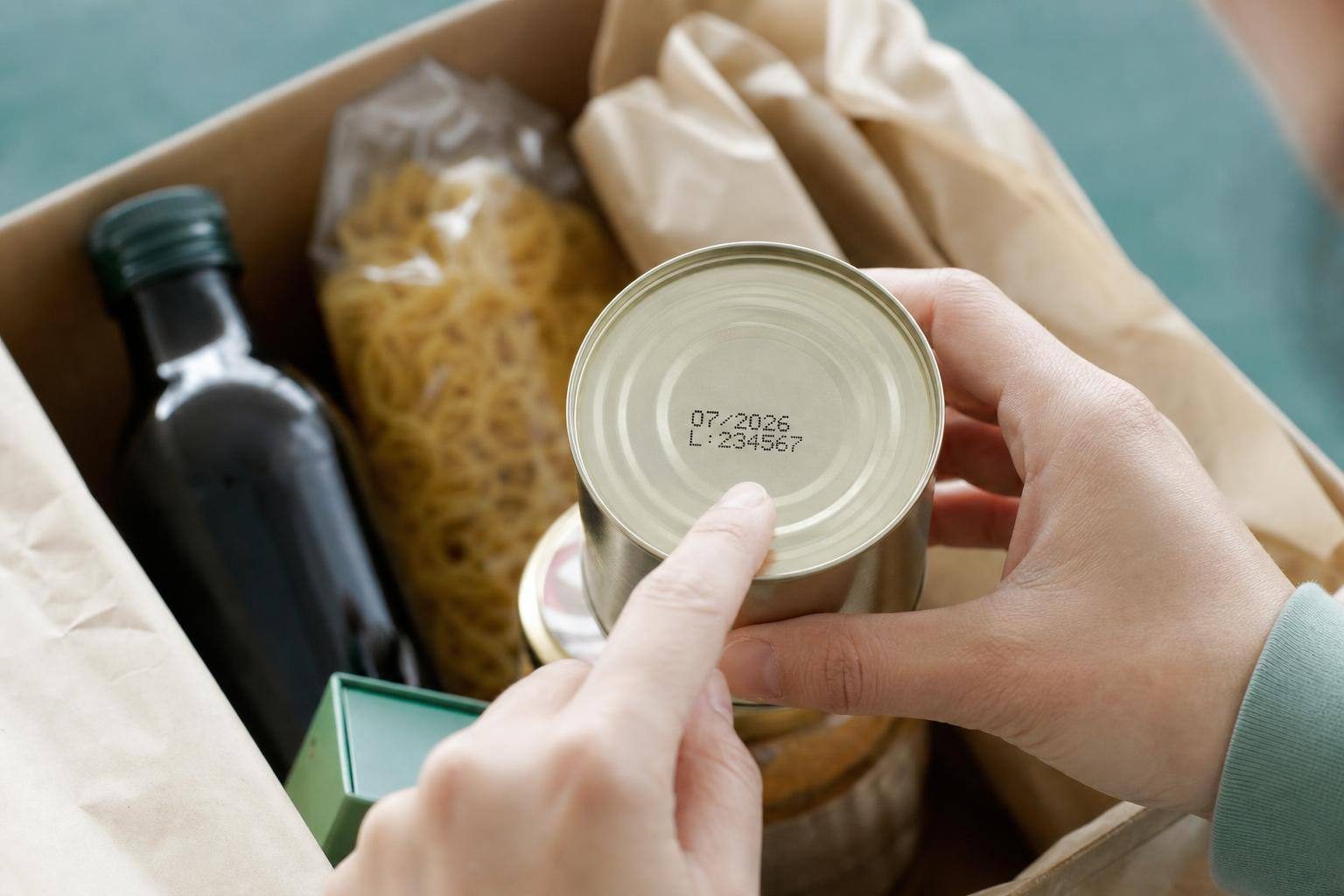
Before paying, ask in writing for the date shown on the packaging, the batch number and a current image where those details can be read. It is also useful to ask about storage instructions and, where relevant, the conditions required during transport.
Keep the seller’s response, the product page and the images you receive. When the order arrives, you can compare that information with the label, batch and condition of the packaging. If the information cannot be confirmed, the purchase involves accepting that uncertainty.
Labeling obligations and applicable terminology depend on the country of purchase and destination. References to food focus on the European Union; those concerning cosmetics and supplements describe U.S. requirements and guidance.
- Ask for a specific date and the batch number rather than a general statement about freshness.
- Request a readable image of the packaging, including the area showing the date or batch.
- Keep written confirmation until you have checked the product received.
Food: Expiry Dates and Best-Before Dates Do Not Mean the Same Thing
In the European Union, an expiry date is associated with safety, particularly for highly perishable foods. Its interpretation depends on storage instructions having been followed, such as refrigeration when indicated.
Smell or appearance are not substitutes for an expiry date. Dangerous microorganisms may be present without obvious signs of spoilage. For refrigerated products, it is advisable to check both the date and the stated storage temperature, and to ask how those conditions will be maintained during delivery.
A best-before date relates mainly to quality. A properly stored food may remain suitable after that date, although it may lose flavor, texture or freshness. Before ordering, consider whether the remaining time fits the package size and your planned consumption.
For distance sales of food within the European Union, the date of minimum durability or expiry date may not have to appear before the purchase is completed, although mandatory information must be available when the food is delivered. Its absence from the webpage does not by itself establish non-compliance, but it is reasonable to ask for it if it affects the purchasing decision.
- Confirm whether the stated date is an expiry date or a best-before date.
- For products requiring refrigeration, check the storage temperature as well as the date.
- Do not replace an expiry date with a visual or smell-based assessment.
Cosmetics: Check the Batch, Seal and Storage
The absence of a visible date does not mean a cosmetic can be stored indefinitely. In the United States, there is no general requirement for cosmetics to carry an expiry date, although their shelf life can be affected by heat, humidity, air, light, contamination during use and preservative deterioration.
Before buying, examine photos of the back and bottom of the packaging. Check whether they show a date, batch, storage conditions or directions for use after opening. If only a batch appears, do not infer its date using unofficial tools: ask the manufacturer for any information it can confirm about that batch.
Be cautious with resold products when their origin, seal condition or storage conditions cannot be verified. The FDA warns that cosmetics resold online may be beyond their useful life, have been used, diluted, tampered with or be counterfeit.
When you receive the product, inspect the closure and seal before using it. Do not use it if you notice a tampered seal, unusual odor, color changes, unexpected separation or foreign material. In the United States, some products with therapeutic functions, such as certain sunscreens or acne treatments, may also be regulated as drugs and follow different rules.
- Request images of the bottom and back of the packaging.
- Contact the manufacturer if you need to interpret a batch without a visible date.
- Check that the seal is intact before opening the cosmetic.

Supplements: Check the Label on the Specific Product
In the United States, dietary supplements are not generally required to carry an expiry date. If a company includes a date, it must have valid data so that the information is not misleading. This rule is not universal: regulations may differ in other markets.
To assess an offer, request clear images of the date, if there is one, the batch, the Supplement Facts panel, the ingredient list, storage instructions and the closure or seal system where visible. In the United States, a supplement label includes, among other items, the product identity, net quantity, Supplement Facts, ingredients and the details of the manufacturer, packer or distributor.
Do not assign an expiry date to a barcode, manufacturing date or batch without confirmation from the manufacturer. If there is no date and the seller cannot obtain a verifiable response, the available traceability is more limited.
When the order arrives, immediately compare the date and its type, the batch, the packaging and the storage instructions with the information provided before payment. If the item required refrigeration, also consider the transport conditions. The date should be interpreted together with the storage directions on the label.
- Do not confuse a general shelf life with the date of the batch that will be sent.
- Check the date, batch, seal and storage conditions before opening the product.
- If the information cannot be verified, consider an alternative with clearer details.